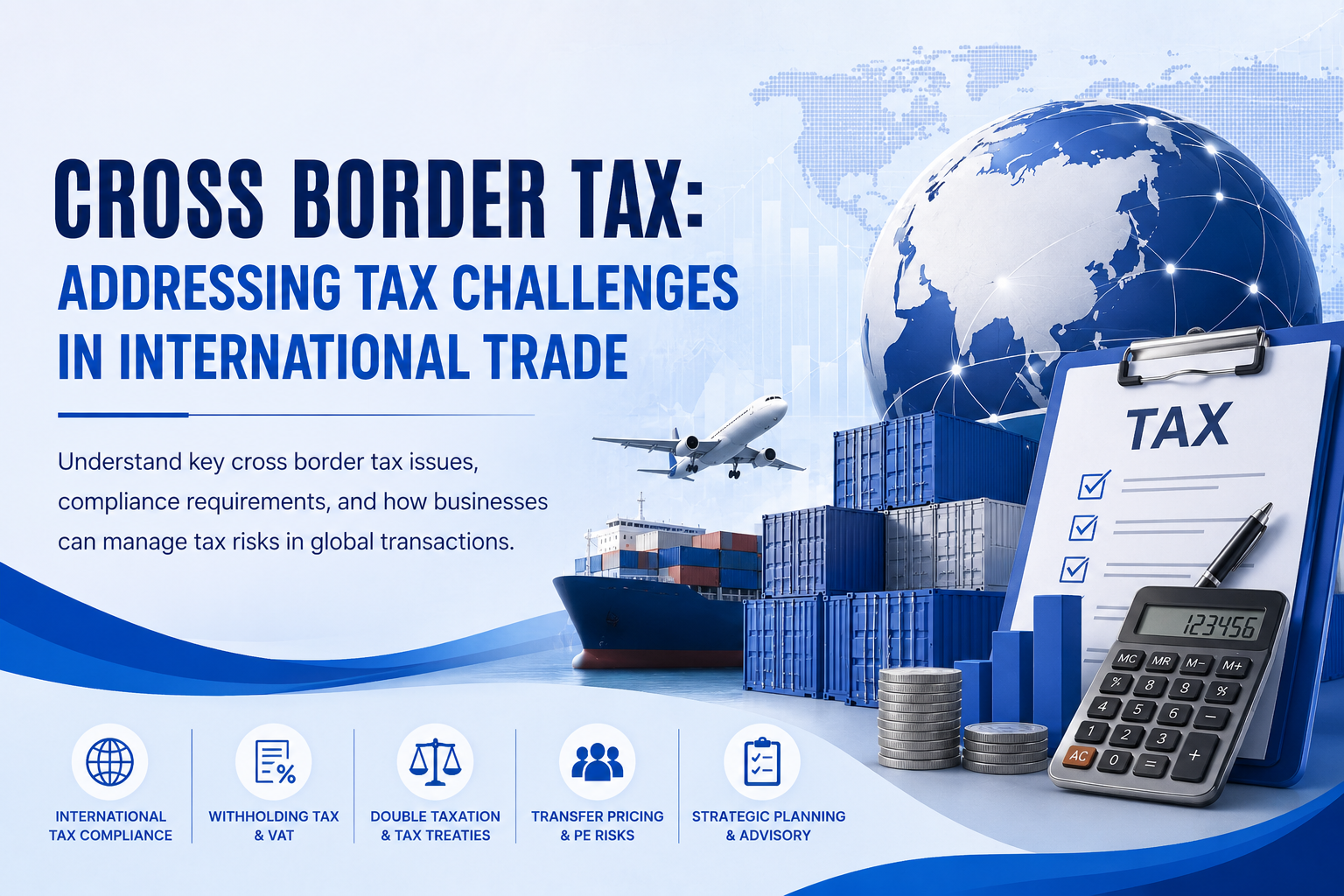
Navigating cross-border tax is a critical challenge for anyone living, working, or operating a business internationally. It involves understanding and complying with the tax laws of multiple countries, which often overlap and conflict. Without careful planning, you could face double taxation—where the same income is taxed by two different countries—or miss out on significant tax-saving opportunities.
For individuals, common triggers include earning a salary in a foreign country, owning rental property abroad, or being considered a tax resident in more than one nation. Countries use different tests to determine residency, and the resulting tax liabilities can be complex. Thankfully, many nations have Double Taxation Agreements (DTAs) designed to prevent double taxation by clarifying which country has the primary right to tax specific types of income.
For businesses, cross-border tax encompasses issues like transfer pricing (the rules for transactions between related companies in different countries), Permanent Establishment (PE) risk (which determines if a company has a taxable presence in a foreign country), and withholding taxes on cross-border payments like dividends and royalties.
Effective management requires proactive strategies. This often involves structuring your affairs to leverage DTAs, understanding foreign tax credits, and maintaining meticulous records. Given the severe financial and legal consequences of non-compliance, consulting with a qualified international tax advisor is not just recommended; it is essential for ensuring compliance and optimizing your global tax position.



Write a comment ...