Businesses entering Thailand with regulated products need to understand the country’s regulatory requirements before importing, distributing, or selling their products. FDA registration is an important consideration for products that fall under the supervision of the Thai Food and Drug Administration (FDA in Thai). But not all products go through the same approval process, and the necessary steps may vary depending on the product's categorization, ingredients, intended usage, and other aspects.
When organizing a product launch in Thailand, companies may find the proper requirements, prepare the relevant information, and minimise needless delays by having an early understanding of the process.
What Is FDA Registration in Thailand?
FDA registration generally refers to the regulatory process required for certain products that are controlled by the Thai FDA. Depending on the product category, businesses may need to obtain registration, approval, notification, a license, or another form of regulatory authorization.
Foods, medications, cosmetics, medical equipment, health-related goods, and other regulated categories may be subject to Thai FDA supervision.
Not every product has the same specifications. A cosmetic product, for instance, might go through a different process than a medication or a medical equipment. Therefore, before submitting an application, firms should ascertain the classification of their goods.
Why Is Product Classification Important?
Product classification is one of the first steps in understanding the Thai FDA process. A business may have an international product classification that does not automatically correspond to the regulatory classification used in Thailand.
Several factors may influence how a product is treated, including:
Product composition and ingredients
Intended purpose and use
Product claims
Manufacturing information
Packaging and labeling
Risk level
Whether the product is imported or manufactured locally
Correct classification helps determine which regulatory pathway applies and what documentation may be required.
What Information Is Needed for an FDA Application?
Once the applicable regulatory category has been identified, businesses can begin preparing their FDA application and supporting information.
The exact documentation depends on the product and regulatory category. Common information may include product details, ingredient or composition information, manufacturing information, labels, packaging details, and documents relating to the applicant or manufacturer.
For some products, additional technical or safety-related documentation may also be required.
Businesses should avoid preparing an FDA application form based only on a generic template because the information required can vary significantly between product categories. The application should reflect the actual product and the requirements applicable to it.
How Does the FDA Application Process Generally Work?
Although the procedure varies depending on the product, the process can generally be understood through several stages.
1. Identify the Product Category
First, determine whether the product is regulated by the Thai FDA and identify the applicable category.
2. Review Applicable Requirements
Businesses should then determine whether the product requires registration, notification, approval, licensing, or another regulatory procedure.
3. Prepare Product Information
Relevant product, manufacturer, packaging, labeling, and supporting documentation should be collected and reviewed.
4. Complete the Application
The appropriate application or notification information is prepared according to the applicable requirements.
5. Submit for Regulatory Review
The application is submitted through the relevant Thai FDA process. Depending on the category, authorities may review the submitted information and request clarification or additional documentation.
6. Receive the Applicable Authorization
If the application meets the applicable requirements, the business can receive the relevant registration, approval, notification, or license.
The process should therefore be viewed as more than simply completing an FDA application form. Product classification, documentation, labeling, and regulatory compliance all play an important role.
What Can Cause Delays in FDA Registration?
Regulatory applications can take longer when information is incomplete, inconsistent, or does not match the product being submitted.
Some common issues businesses may encounter include:
Incorrect product classification
Missing supporting documents
Inconsistent product information
Labeling issues
Incomplete manufacturer information
Product claims that require additional consideration
Documents that do not meet applicable requirements
Preparing information carefully before submission can reduce the likelihood of avoidable requests for clarification.
Does FDA Registration Apply to Every Product?
No. FDA requirements depend on the type and characteristics of the product.
For instance, separate regulatory standards may apply to products in categories including food, cosmetics, pharmaceuticals, medical devices, and health-related products. While some items might adhere to notice or licensing requirements, others would need official registration.
Because of this, companies shouldn't assume that a procedure that works for one product will work for another.
How Does FDA Compliance Fit Into Cross-Border Business Planning?
Regulatory compliance is often only one part of establishing an international business operation.
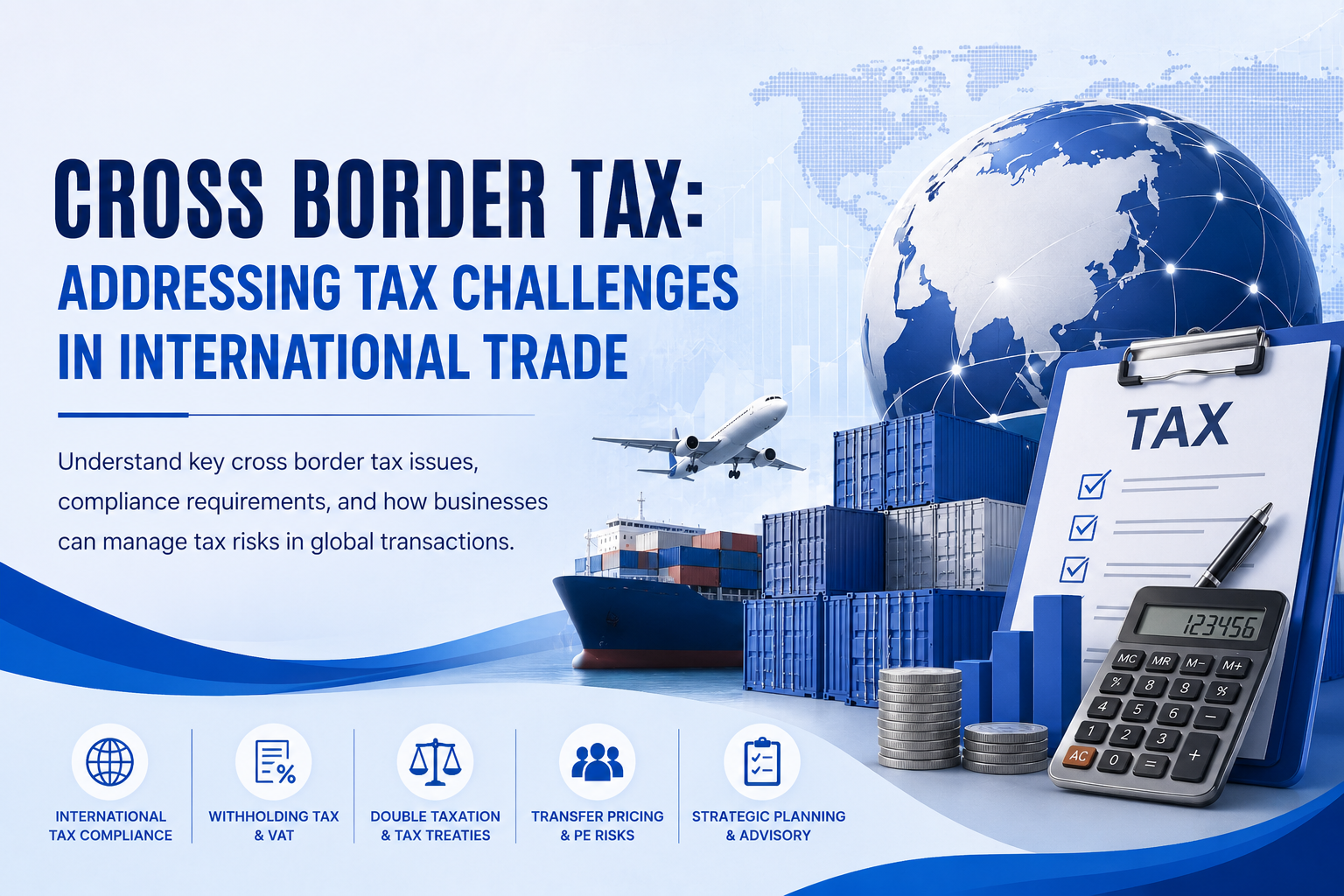
A company importing products into Thailand may also need to consider customs procedures, distribution arrangements, corporate structure, taxation, employment, and other operational requirements. These areas can overlap with broader cross border tax and business planning considerations.
For example, a company may need to understand how its Thai operations are structured and how transactions between related entities are handled. Regulatory approval for a product does not, by itself, address these separate tax or corporate obligations.
What About Businesses Using EOR Services?
Companies may also consider EOR services for particular labour arrangements if they enter Thailand without immediately establishing a full local employment structure.
Employer of Record services can manage payroll, employment administration, and related tasks when the arrangement is appropriate. However, it is important to distinguish between EOR services and product regulatory approval.
It might be important to assess FDA compliance, corporate regulations, tax concerns, and employment arrangements as part of a thorough Thailand market-entry strategy.
Can Advisory Services Help With Complex Market Entry?
International businesses often need to coordinate several different areas when entering a new market. Regulatory requirements may exist alongside corporate, tax, employment, and commercial considerations.
For technology-focused companies, crypto advisory services may be relevant where business activities involve digital assets or blockchain-related operations. However, these considerations are separate from Thai FDA requirements and should be evaluated according to the nature of the company's activities.
The important point is to treat each regulatory or operational requirement according to its specific rules rather than assuming that one approval automatically covers other areas of the business.
Frequently Asked Questions
What is an FDA application?
An FDA application is a submission made to the relevant regulatory authority for a product that falls under applicable FDA requirements. The exact information and procedure depend on the product category.
Is an FDA application form the same for every product?
No. The required application information and supporting documents can differ depending on the product category and applicable regulatory procedure.
Does every product need FDA registration in Thailand?
Not necessarily. Requirements depend on the product, its classification, intended use, and applicable Thai regulations. Some products may require registration, while others may be subject to notification, licensing, or different procedures.
Why is product classification important?
Classification determines which regulatory requirements and procedures may apply. An incorrect classification can result in inappropriate documentation or delays during the regulatory process.
Final Thoughts
Understanding FDA registration before entering the Thai market can help businesses approach product compliance in a more structured way. Rather than treating the process as simply submitting an FDA application form, companies should consider product classification, documentation, labeling, applicable approvals, and ongoing compliance requirements. Alongside regulatory planning, businesses may also need to consider areas such as cross border tax, EOR services, and other market-entry considerations. Interloop Solutions & Consultancy helps businesses understand these Thailand-focused requirements and plan their market-entry activities with greater clarity.


Write a comment ...